


Pchum Ben: everything you need to know about Cambodia’s festival of the ancestors
In Cambodia, every autumn – in line with the lunar cycle (between September and October) – the Khmer people honour their ancestors. Discover the traditions of Pchum Ben.
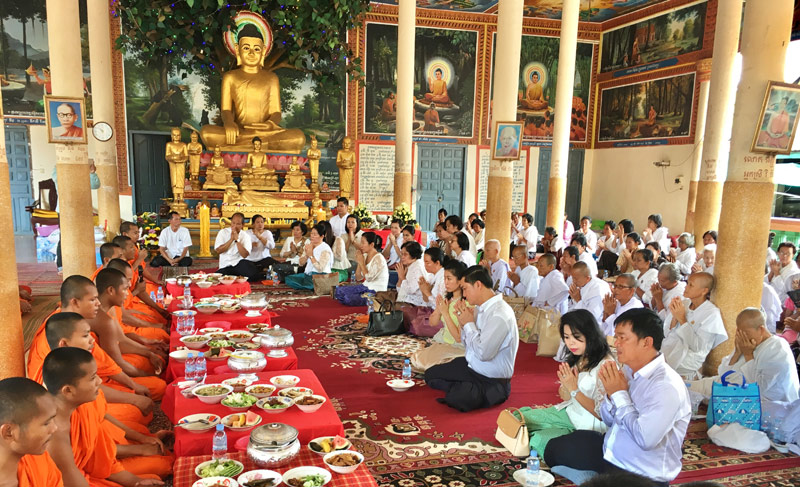
An important holiday in Cambodia
The second most important festival in the Khmer calendar after the New Year, this festival honouring the ancestors lasts for 15 days, with the final day marking the highlight, Pchum Ben.
The word Pchum means, amongst other things, ‘to bring together’. Ben refers to food offerings, in particular rice balls, the Bai Ben, prepared for the deceased. The name of the festival thus evokes family gatherings and the offerings made in memory of their departed loved ones.
Getting together as a family at the pagoda
Pchum Ben is a time for families to get together. Many Cambodians return to their home province or village to be with their parents and loved ones. Pagodas become places where friends and family, young and old alike, gather.
Together, they go to the pagoda and prepare offerings for the monks, who intercede with the spirits of the deceased and recite prayers to guide them on their peaceful journey after death and towards reincarnation.
Passing on a cultural heritage
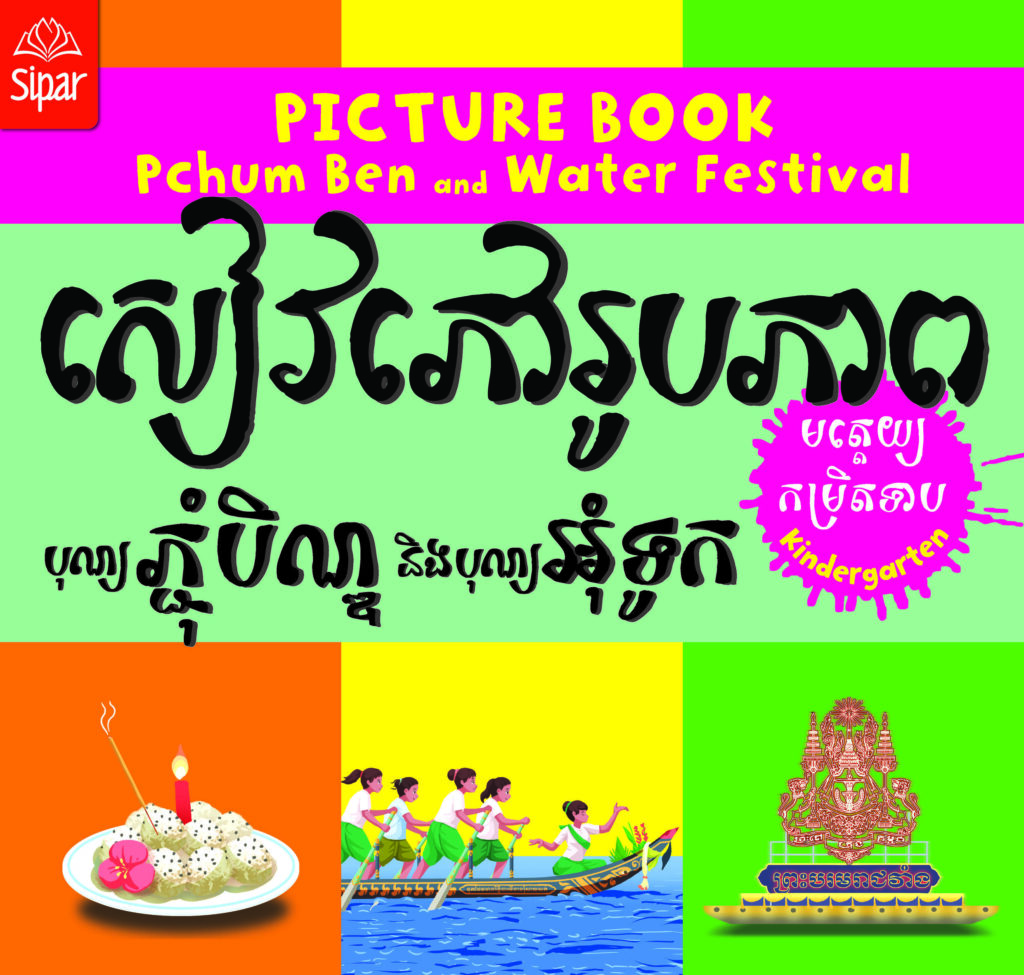
Sipar’s picture book on traditional Cambodian festivals enables children aged 3 and over to discover their country’s traditions through pictures and role-play scenarios.
Pchum Ben also helps to maintain a link between generations: respect for the elderly, remembrance of the departed, and all the culinary traditions associated with these sacred days.
This intergenerational transmission is essential for keeping Khmer culture alive. It also highlights the importance of ensuring that every young person has access to the knowledge, stories and tools that help them understand the world around them.
This is a belief that has guided Sipar for over 35 years in Cambodia: to empower children and young people to learn, to discover and, in the future, to pass on what they have learnt.