

In Cambodia, young people aged 15 to 29 account for almost 60% of the working-age population. In remote areas, access to quality education remains limited, raising concerns about whether young people are being prepared to make career choices that are suited to the job market.
The employment-related challenges of young people are multiple: a skills shortages in a context of rapid technological and economic change and a mismatch between skills and job market requirements. Many young people lack self-confidence and support in their career decisions.
2021-2027: six years for youth empowerment
In 2021, Sipar launched its youth program, co-funded by the AFD. This programs aims to help young people in rural areas to develop career paths adapted to a changing job market, while reinforcing their autonomy and civic commitment.
By broadening the career prospects of middle and high school students living in rural areas, the project contributes to Cambodia’s socioeconomic development and helps reduce social and gender inequalities.
Multimedia libraries
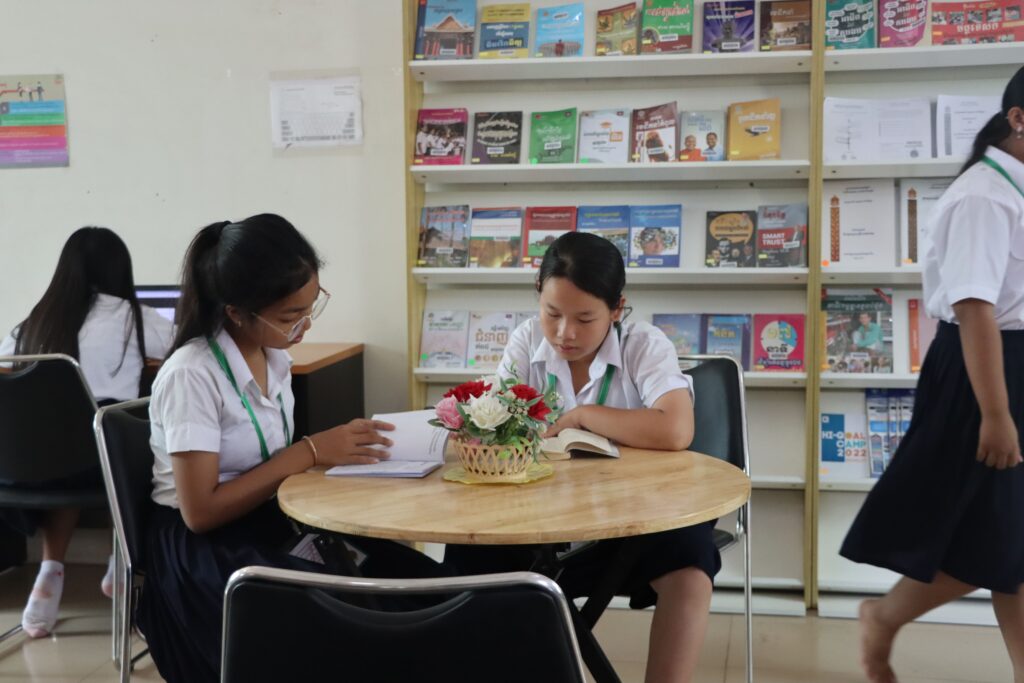
Sipar has initiated the creation of Library Orientation Corner (LOC) in rural secondary schools. Currently, there are 26 LOCs in operation, including three in Youth Centers.
In addition to the printed practical guides, digital labs give students access to apps and programs that help with career guidance and allow them to develop their digital and academic skills.
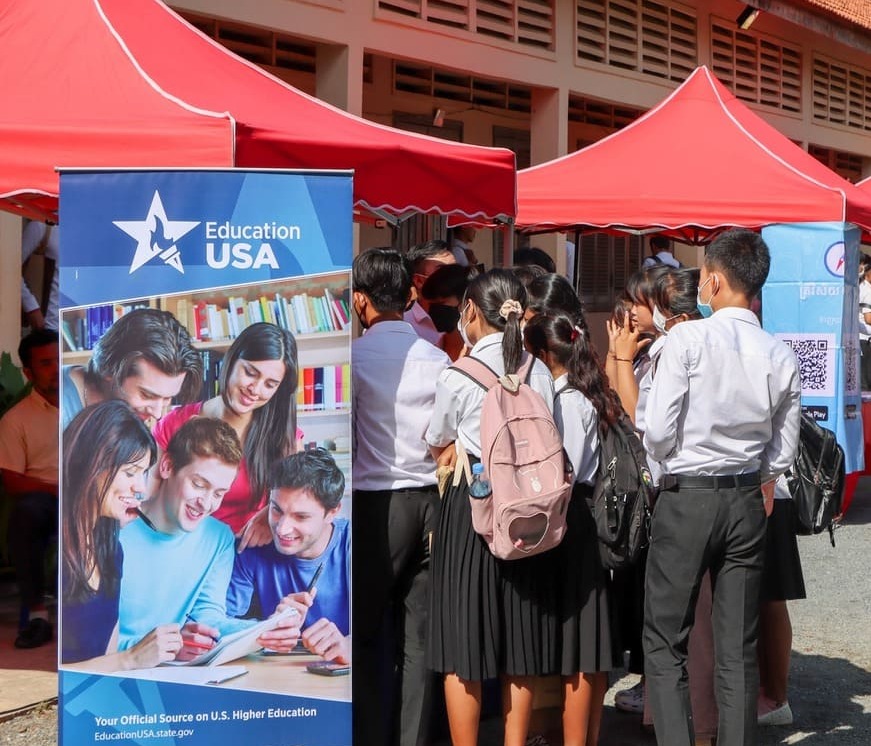
Career Forums
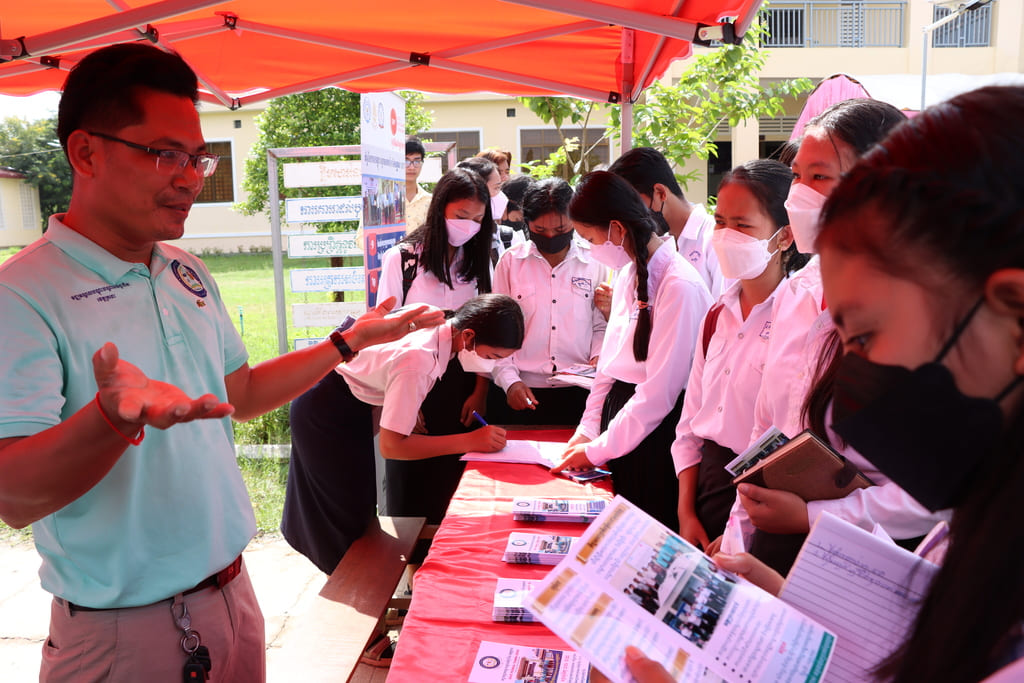
Sipar organizes career forums, meeting days between high school students and institutions, universities, NGOs and professionals from various sectors. These events enable them to explore academic and professional opportunities.
This is a pioneering initiative, in Cambodia, which is already bearing fruit. The results of a survey carried out in 2023 show that 54% of forum participants discovered new career prospects.
Since 2021, Sipar and its partner high schools have organized over 200 career forums and online conferences.
youth clubs / CBO
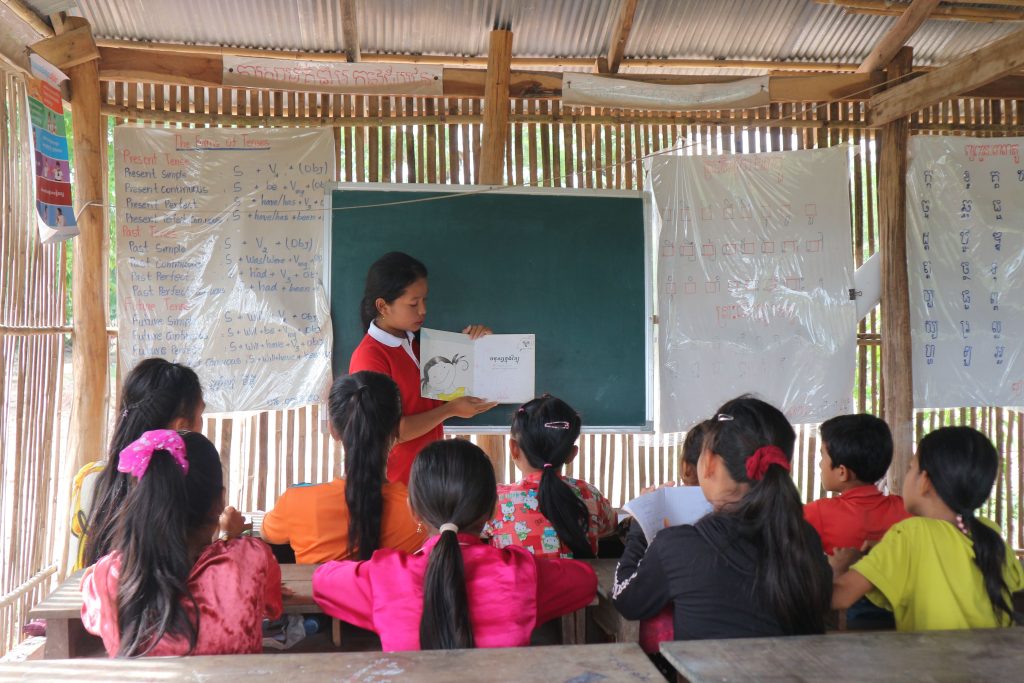
Since 2011, Sipar and its partner Youth Star Cambodia collaborate to promote volunteering in the remote provinces of Kratie and Prey Veng. The activities carried out by the members, aged between 8 and 20, benefit hundreds of children and adults, contributing to education and community development, and promoting youth involvement, solidarity and democratic values.
Clubs implement different actions within their community:
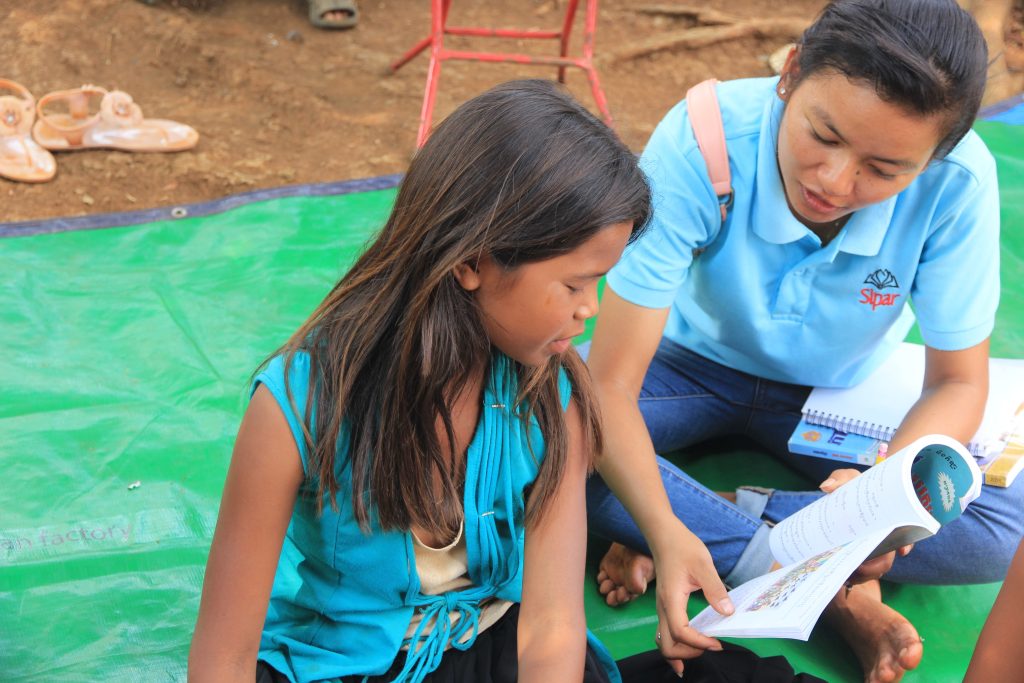
- Itinerant reading activities thanks to the "backpack library" : book lending service, entertainment and socio-educational activities for children and villagers
- Personalized tutoring for primary school pupils to prevent dropout and improve academic performance
- Awareness-raising campaigns for local residents on social and environmental issues
Positive results during phase 1 (2021-2024)
The first phase of the project showed very positive results. In high schools, the introduction of 16 LOCs and career forums has had a significant impact on student orientation and confidence. A survey carried out in 2023 revealed that 96% of students feel more confident about their post-secondary choices. Library use has also increased considerably.
In rural areas, 23 CBOs have played a key role in educating young people, while fostering their autonomy. Their members have improved their academic and personal skills, becoming role models and agents of change in their communities.
A second phase until 2027 (2023-2027)
In support of national education policies, this second phase aims to strengthen the academic and digital skills of young people, mostly girls, by expanding the network to 13 new libraries with multimedia orientation corners in 10 rural high schools and three Youth Centers, bringing the total to 25 LOCs in 24 provinces of the country.
The project also encourages social and civic engagement by supporting more than 500 members of the CBOs and 600 active members of high school Youth Councils in organizing socio-educational activities in their communities.
34 000
young beneficiaries from 12 to 20
23
OCB avec + 500 membres
+ de 3000
lycéens mobilisés dans des activités de sensibilisation
42
forums des carrières organisés en 2025